|
|


Blog
Creatine Supercharges Your Workouts… But Is It Secretly Sabotaging Your Sleep?

Mar
Creatine has become the supplement everyone’s talking about. With zero calories, big benefits for high‑intensity exercise, and even emerging research around cognition and brain function, it’s no wonder creatine is having a moment!
But with all the hype, one question keeps popping up: does creatine affect sleep?
Let’s break down the science, answer your biggest creatine FAQs, and explore whether this powerhouse supplement is helping or hindering your recovery.
What is Creatine?
Creatine has long been labelled the “bodybuilding supplement”, but it’s now a foundation supplement for anyone wanting to increase exercise performance, from HYROX athletes to modern mums and everyday wellness lovers (Rawson & Volek, 2003).
Creatine monohydrate is one of the most extensively studied and scientifically validated ergogenic aids in the world. It’s a naturally occurring compound stored in your muscles and used to regenerate Adenosine Triphosphate (commonly known as ATP), the body’s main energy source for movement, thinking, and even digestion (Kreider & Stout, 2021).
Because ATP fuels short, intense bursts of activity, creatine becomes especially useful during:
- Weight training
- Sprinting
- HYROX‑style workouts
- Circuit or interval training
By supporting ATP regeneration, creatine helps you maintain strength, power, and consistency even when you’re training in a calorie deficit or juggling a busy schedule.
Will Creatine Affect My Sleep?
The short answer: yes (but not in the way you might expect)!
Creatine is not a stimulant, meaning doesn’t act like caffeine, pre‑workout, or nootropics that increase wakefulness or disrupt sleep architecture. Instead, creatine works at a cellular level to support energy production.
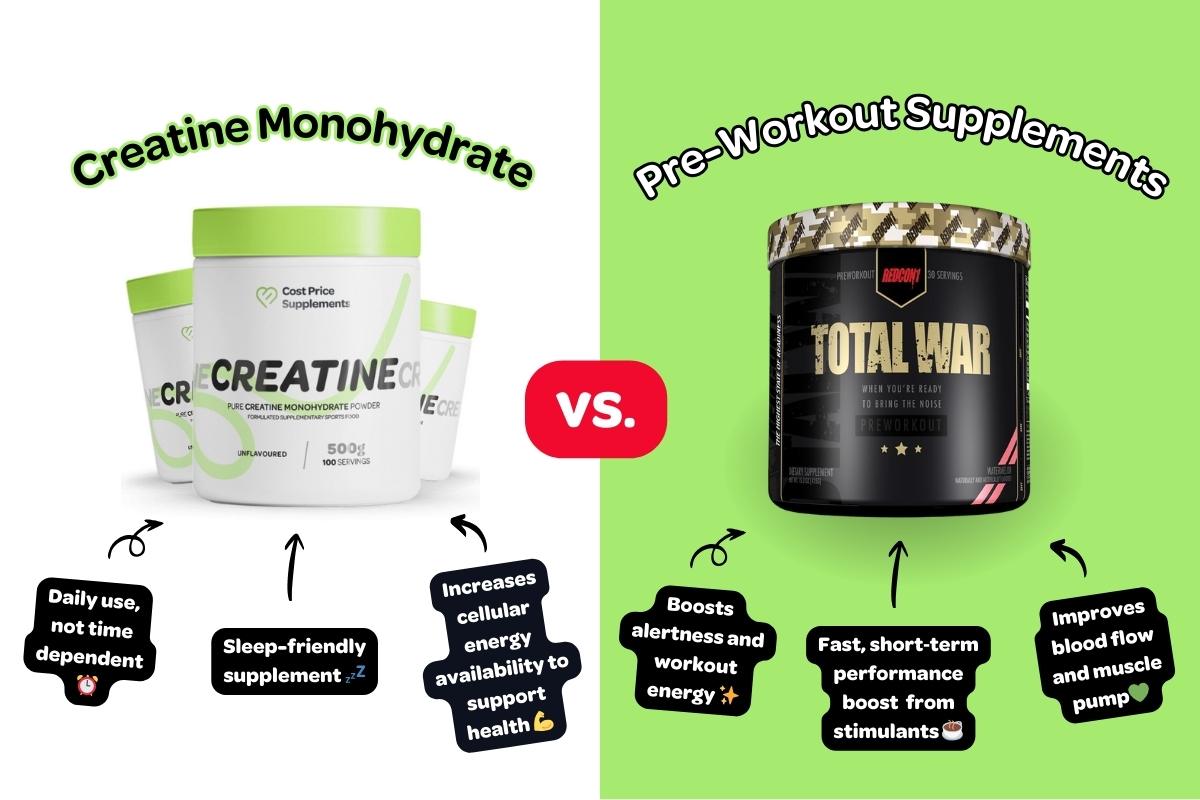
Research suggests creatine may actually help reduce the cognitive effects of sleep deprivation by supporting brain energy metabolism (Gordji-Nejad et al, 2024). You won’t feel a caffeine‑like buzz, but you may notice:
- Less brain fog
- Better mental clarity
- More stable energy across the day
This can be especially helpful during periods of poor sleep, high stress, or heavy training blocks (Candow et al, 2023) . Creatine won’t keep you awake at night, and it may even help your brain cope better when your sleep score isn’t quite where you want it to be!
Who Can Use Creatine?
Creatine is one of the most versatile supplements available and can support almost any active adult (Australian Sports Commission, 2021) . It’s ideal for:
- People wanting to support lean muscle and strength
- Anyone looking to improve muscle tone
- Individuals wanting to support cognitive performance
- Those training in a calorie deficit
- Busy parents wanting more consistent energy
- Athletes and recreational trainers alike
- Those on weight‑loss journeys looking for performance support after periods of inactivity
As one of the most studied supplements in the world, creatine is generally recommended for healthy adults, however, is age-restricted as research on youth and adolescents is limited (Jagim & Kerkisk, 2021).
Want To Try It For Yourself?
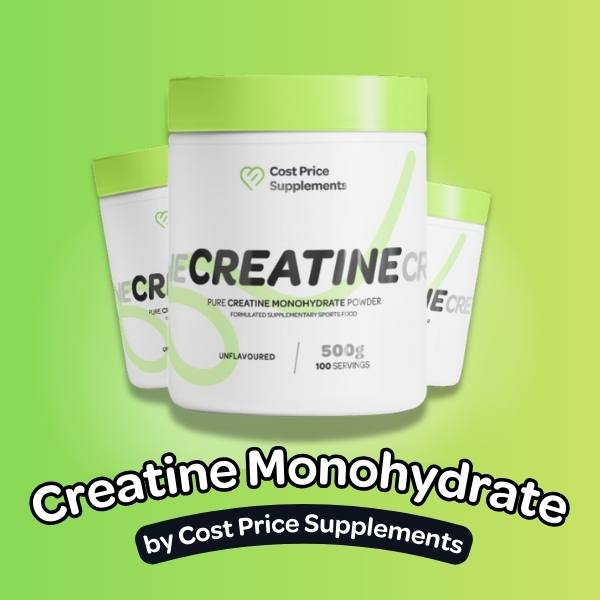
Add it into your routine in a way that makes you feel your best. Shop our Creatine Monohydrate by Cost Price Supplements range or save 20% with the Recovery Pack for a little extra support!

References
Australian Sports Commission. (2021). Creatine (creatine monohydrate). Australian Government. https://www.ausport.gov.au/ais/nutrition/supplements/group_a/performance-supplements2/creatine
Candow, D. G., Forbes, S. C., Ostojic, S. M., Prokopidis, K., Stock, M. S., Harmon, K. K., & Faulkner, P. (2023). “Heads up” for creatine supplementation and its potential applications for brain health and function. Sports Medicine, 53(Suppl 1), 49–65. https://doi.org/10.1007/s40279-023-01870-9
Gordji-Nejad, A., Matusch, A., Kleedörfer, S., & others. (2024). Single dose creatine improves cognitive performance and induces changes in cerebral high energy phosphates during sleep deprivation. Scientific Reports, 14, 4937. https://doi.org/10.1038/s41598-024-54249-9
Jagim, A. R., & Kerksick, C. M. (2021). Creatine supplementation in children and adolescents. Nutrients, 13(2), 664. https://doi.org/10.3390/nu13020664
Kreider, R. B., & Stout, J. R. (2021). Creatine in health and disease. Nutrients, 13(2), 447. https://doi.org/10.3390/nu13020447
Rawson, E. S., & Volek, J. S. (2003). Effects of creatine supplementation and resistance training on muscle strength and weightlifting performance. Journal of Strength and Conditioning Research, 17(4), 822–831. doi:10.1519/1533-4287(2003)017<0822:eocsar>2.0.co;2