|
|


Blog
Complete Proteins Explained: Why Tryptophan Makes Collagen Complete
Mar
Most of us discover collagen the same way, someone swears it changed their skin, joints, or recovery, and suddenly you’re staring at a shelf of collagen protein wondering if you’re missing out!
But here’s the twist: protein collagen on its own isn’t a complete protein. And without one tiny but mighty amino acid, your collagen protein can’t support your body the same way a complete protein source does (Paul et al, 2019).
Don’t worry, there’s an answer to this issue! Read on to find out which collagen protein has a complete protein source.
Is Collagen Protein a Complete Protein?
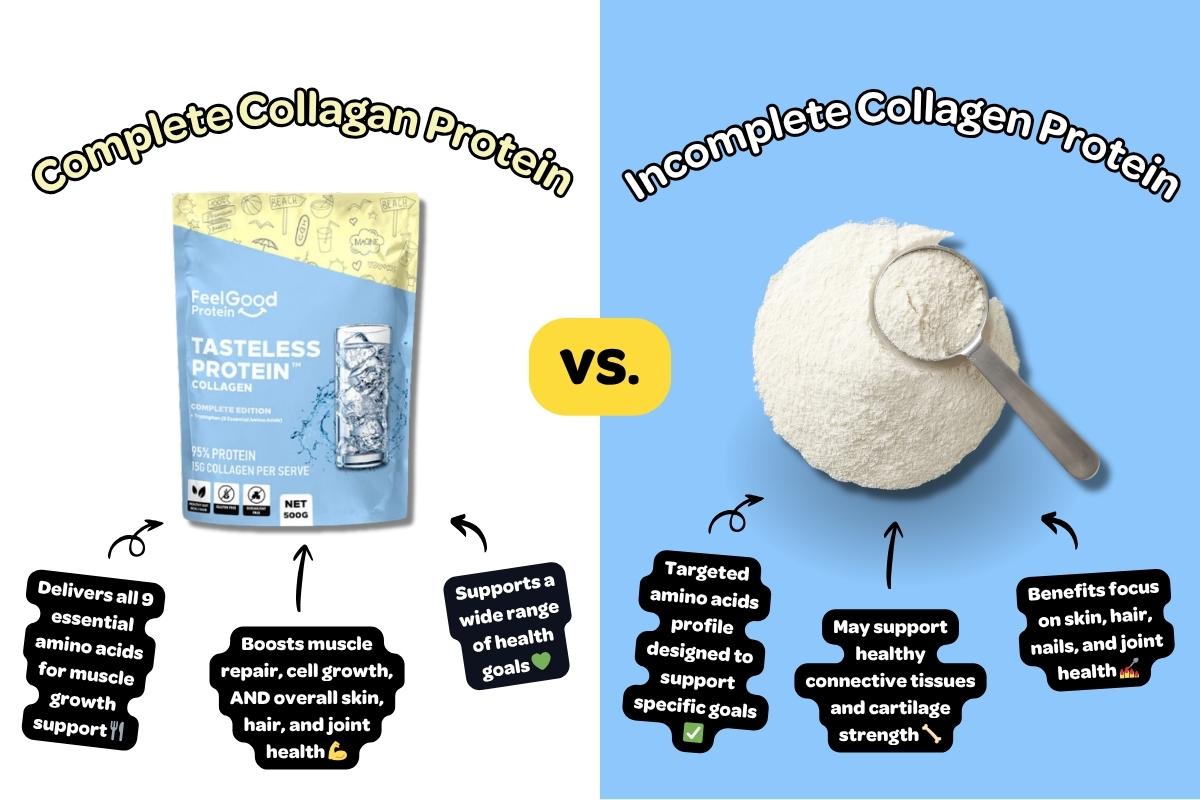
Most people are surprised to learn that collagen, by itself, isn’t considered a complete protein.
A “complete” protein must contain all nine essential amino acids in adequate amounts and collagen doesn’t check that box by missing tryptophan, which is non‑negotiable for complete protein status and protein turnover (Australian National Health and Medical Research Council, n.d.).
What Makes a Protein “Complete”?
A complete protein is one that delivers all nine essential amino acids that your body can’t manufacture on its own (Dieticians Australia, n.d.)
Think of them as the must-haves that your body needs for cell growth, repair and function (Holwerda & Loon, 2022). Foods like whey, soy, eggs, and meats easily hit this standard because their amino acid profiles are naturally balanced (Dieticians Australia, n.d.)
However, protein powders can be a great fit for those with food sensitivities, are looking for convenient, gentle‑on‑the‑stomach, low‑calorie way to reach their protein goals and support weight loss.
Not all proteins play the same role in the body, and not all of them deliver the same nutritional punch. Collagen excels at what it was designed for, but completeness requires a very specific blueprint!
The Amino Acid Puzzle
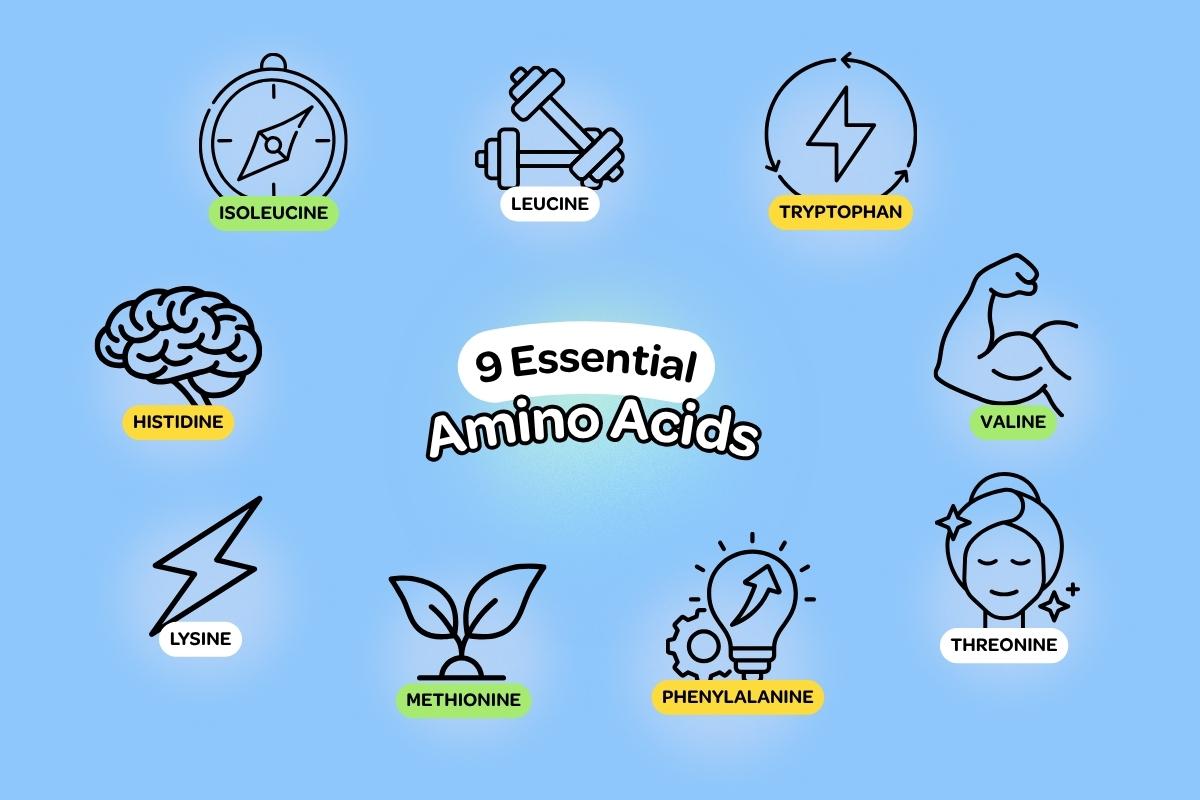
To really understand why collagen behaves differently from other proteins, it helps to look at the building blocks themselves. Your body is pretty impressive; it can produce 11 amino acids all on its own. But the other 9 need to come from your diet, making them a different story entirely.
These are the essential amino acids, the ones your body can’t improvise or manufacture and need to absorb through your diet (Better Health Channel, 2024):
How Does Tryptophan Impact Collagen?
Without this final amino acid, collagen is not considered a complete protein. It impacts the process effectiveness of muscle protein synthesis (MPS), which requires all 9 essential amino acids, including tryptophan. MPS is your body’s building mode, a way of repairing and building muscle by using protein from the food you eat.
As a result, collagen-protein powders without it don’t get the full benefits and positive effects compared to other complete sources (Holwerda & Loon, 2022).
Collagen vs. Complete Proteins: What’s Right For Me?
Both collagen and complete protein supplements bring their own fantastic benefits to your health and wellness goals, and the best pick really comes down to what you want to achieve! Whether you’re chasing glowier skin, better recovery, or a little bit of everything, understanding the difference can help you choose the right supplement for you.
As always we recommend checking in with a qualified health professional before making any changes to your supplementation routine so you can feel confident you’re supporting your goals in the best way.
How Can I Find a Complete Collagen Powder?
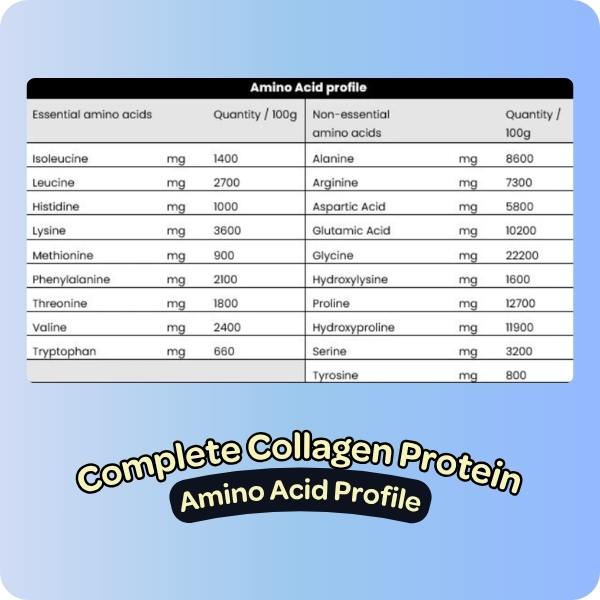
A simple way to check if your collagen protein is complete is to look at the amino acid profile and see whether tryptophan is listed.
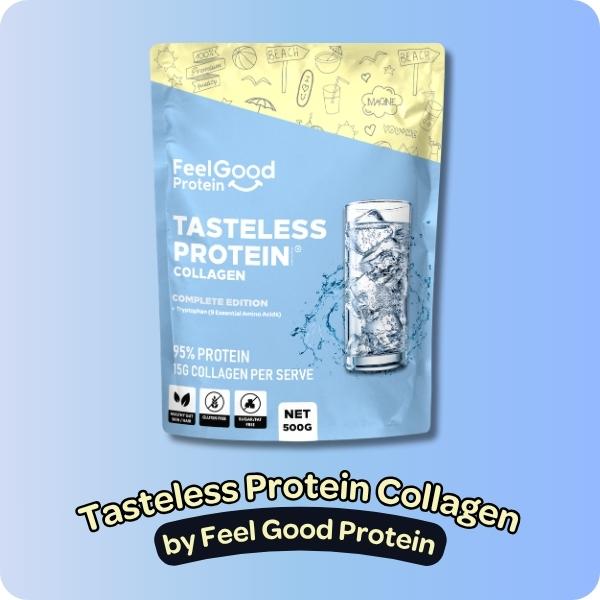
No need to stress! We’ve made it easy to pick a complete collagen protein that (actually) does it all. Tasteless Protein Collagen by Feel Good Protein gives you full transparency with a clear amino acid profile, so you know exactly what you’re getting in each serve! This range packs 14.2 g of high‑quality protein and all 9 essential amino acids, including tryptophan, which many collagen products skip.
When you know what to look for, it becomes much easier to choose a collagen that truly supports your goals! Check it out below:
References
Australian National Health and Medical Research Council. (n.d.). Nutrient Reference Values for Australia and New Zealand: Protein. Australian Government. https://www.eatforhealth.gov.au/nutrient-reference-values/nutrients/protein
Better Health Channel. (2024). Healthy Eating: Protein. Victoria State Government. https://www.betterhealth.vic.gov.au/health/healthyliving/protein
Dieticians Australia. (n.d.). Diet and nutrition health advice: Protein. https://dietitiansaustralia.org.au/health-advice/protein#:~:text=Sources%20of%20protein,Incomplete%20sources%20are%20plant%2Dbased.
Holwerda, A. M., & van Loon, L. J. C. (2022). The impact of collagen protein ingestion on musculoskeletal connective tissue remodeling: a narrative review. Nutrition reviews, 80(6), 1497–1514. https://doi.org/10.1093/nutrit/nuab083
Paul, C., Leser, S., & Oesser, S. (2019). Significant Amounts of Functional Collagen Peptides Can Be Incorporated in the Diet While Maintaining Indispensable Amino Acid Balance. Nutrients, 11(5), 1079. https://doi.org/10.3390/nu11051079